
The Tour Could Wait
Let the first conversation finish

This one goes back to the health club years. The standard selling sequence moved everyone forward on the process's timeline. I learned, slowly, that the conversation worth having happened before any of that started.
The moment someone walked through the front door, you already thought you knew why they were there. You put them in a category before they even said anything. “They’re here to lose weight, get healthy, change something about their body.”
The visual cue was strong enough that you didn’t need to ask.
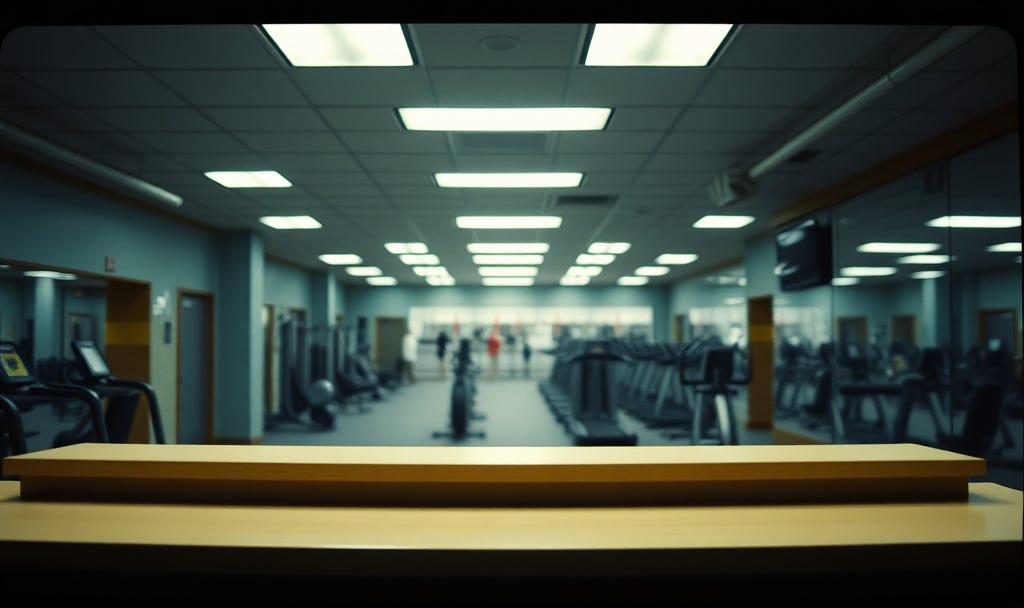
The preliminary conversation felt like a formality before the tour started, the whole structure based on the club’s logic rather than the prospect’s.
The momentum of that process was real. The tour was waiting. The membership desk was at the end of it. Everything pointed forward.
Based on the clubs timeline, the initial conversation was brief. Enough to establish some rapport, enough to get a name and a general sense of what had brought them in. Then the tour: the weight room, the cardio equipment, the pool, the group classes, the locker facilities. Everything the club wanted a prospect to see before sitting down to talk about membership.
The real why, whatever had brought this specific person through this specific door on this specific day, didn’t get mentioned until the end as an objection handling tool. It showed up when resistance appeared, to try and move someone who wasn’t ready to be moved.
Most of the time, it was too late by then. The prospect had been walked through an approach built around what the club had to offer rather than what they had actually come in needing to hear. The information was accurate. It just hadn’t connected to anything real yet.
The person who said “I need to lose weight” or “I want to get healthier” wasn’t lying. They were giving you the version that was safe to say to a stranger. The category. Socially acceptable, defensible, vague enough to protect whatever was actually underneath it.
Underneath it was something more specific. The conversation with the doctor that had finally gotten through. An upcoming event they wanted “to look good” for. The inability to play with the kids for more than a few minutes without running out of breath. A vision of a different self they could see, but couldn’t figure out how to get to.
That deeper why was what determined whether they joined. Not the pool. Not the equipment. Not the membership tier or the promotional rate. Whether their real reason had been heard before anyone started the tour.
Getting there didn’t ask for the answers to perfunctory questions. It meant taking that initial conversation beyond where I was taught to take it.
There was nervousness in almost every one of those initial conversations.
Coming into a fitness club for the first time, or the first time in a long time, carries its own weight. The judgement concern was present from the moment they walked through the door. It was visible in how they carried themselves, in the way they scanned the room before actually stepping up to the front desk.
Whether the people already working out would notice them. Whether they belonged there.
But when the real why came out they settled slightly, the particular relaxation that happens when someone feels their actual situation has been recognized rather than guessed at.
The judgement concern didn’t disappear. They just had something more important to focus on now.
I walked them through the same physical space as before, this time towards the parts that connected to what they actually said. The equipment that connected to their specific why. The environment that addressed what they’d named as their concern. The conversation that happened along the way was different because what had preceded it was different.
By the time we sat down to talk about membership, something real had already been established between us. Something more specific than rapport.
The restraint of not starting the tour wasn’t patience. It wasn’t a technique for building rapport or a method for handling objections before they arrived. It was the decision to let the conversation stay where the real information lived rather than moving to where the standard information waited.
The club’s logic was sound: give people what they need to make a decision.
The problem was that what they actually needed most wasn't always information. Sometimes it was the ability to finish saying what they'd actually come in to say.
The tour was always going to happen. The membership conversation too.
The question was whether the real conversation happened first.